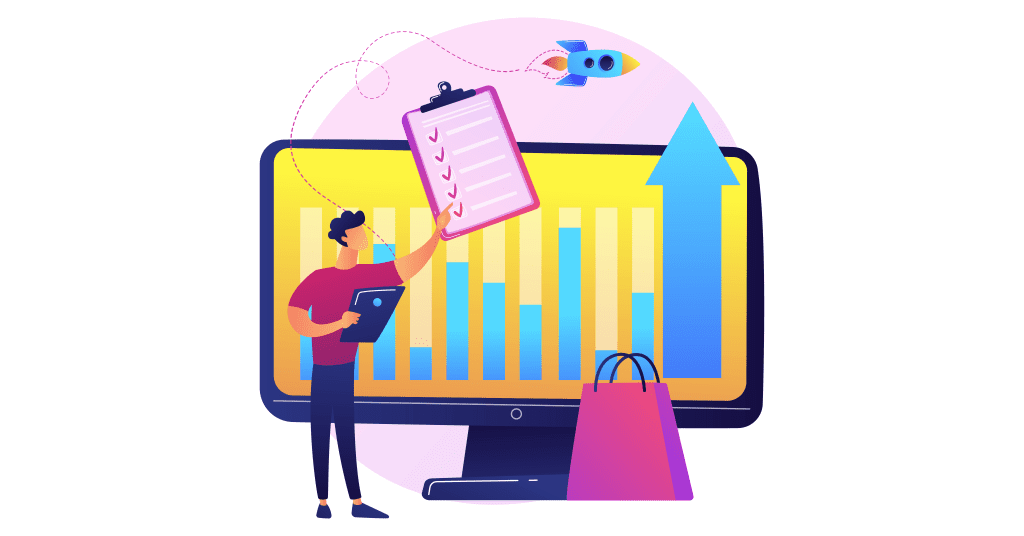
Today we´ll be talking about a key department in almost any company. This is the initial phase in the management of the supply chain where all the resources are acquired, whether they are supplies or raw materials for the proper functioning of the company. The purchasing department, in charge of these tasks, has a direct impact on the company’s costs as well as greatly affecting the quality of the products and services we provide.
Keeping in mind that we are talking about purchases, we must also take into account the direct dependence of these capacities on inventory and warehouse management so that it is possible to serve three key elements that lead to the main flow on which we sail:
Purchases
Warehouses
Inventories
Any deviation in one of these flows can cause the flow to overspill and create a serious problem in the stability of the boat (if I may use the nautical metaphor).
Moving forward, and focusing on purchases, a good supply plan will greatly facilitate inventory tasks and warehouse organization.
If we analyze in detail the variables that we have to handle when making purchases, questions such as the following will arise:
- When do I buy?
- How much should I buy?
- Which providers should I choose?
- How can I predict the demand?
- At what price should I buy?
- What quality?
Going further with this issue, we can add constraints to these variables derived from the elements mentioned above:
How do I manage the existing inventory so that we don’t have stock breaks or, on the contrary, an excessive stock and thus direct losses of efficiency and money.
How is my capacity and what is the rotation within my stores?
As a consequence we are facing a problem with multiple variables, with clear key constraints that make it difficult to make optimal decisions within our purchasing departments if we don’t have the right tools.
What does AI bring to all of this? - AI and advanced analytics
These tools apply mathematical models to solve very complex problems like the one at hand and help make the best decisions, answering the questions asked above.
Advanced analytics is based on predictive analytics, with it we can forecast a demand and its different fluctuations, which, if well mathematically modeled, gives us high levels of certainty. A tool like this is interesting itself, but we could add more layers to the model by asking it to suggest when and how much to buy to endow the demand and to help us choose the supplier based on the restrictions and characteristics that we want.
At this point and with the intention of summarizing part of of AI and operations research´s potential, we can say that it will help us make better decisions in areas such as:
Calculate procurement batches.
Choose the best supplier.
Better estimate the purchase price.

The implementation of operations based on these algorithms will give us solutions in real time and thus maintain a constant purchasing management optimization process.
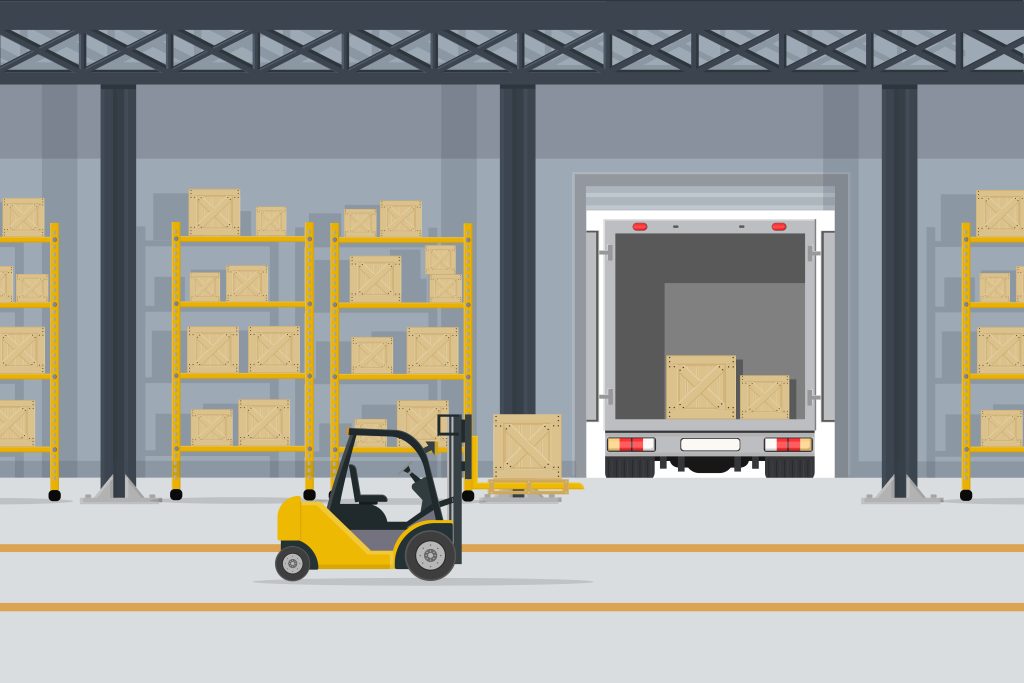
To keep track of these key, though now secondary, elements of inventory and warehouses, it is appropriate to mention digital twins. For example, a digital twin of our warehouses where the tasks of each section and their workers are modeled would help us see the effect that a hypothetical purchase has on our warehouses and the possible bottlenecks.
By simultaneously using optimization models and simulation, we find the definitive tool for making key decisions in each department.
Business impacts
The advantages of using prescriptive analytics in purchasing management are multiple and allows you to meet the complex objective of correctly supplying the company. If we put names and surnames to some advantages we find:
- Improve the relationship with the supplier. This way there will be no sudden changes in orders and medium/long-term planning will allow you to obtain better prices
- Improved service level and therefore customer satisfaction.
- Stock level in the right warehouse.
- Adaptability to the unexpected.
- Better planning can reduce purchasing costs.
- We could better plan the subsequent inventory management tasks in our warehouses.
Do you want to know our Artificial Intelligence Course for Managers?
We can customize it to your own needs.